Pillow and Bedsheet Border: A Floral Frame for Practical Projects
As an experienced embroidery designer and product reviewer, I always look for designs that not only look beautiful on screen but also translate well to real-world stitching. The Pillow and Bedsheet Border caught my attention with its promise of a versatile floral motif suitable for fashion and home decor alike. In this review, I’ll walk you through how this design performs in actual projects, where it shines, and where it might need some caution.
First Impressions: Soft, Feminine, and Full of Charm
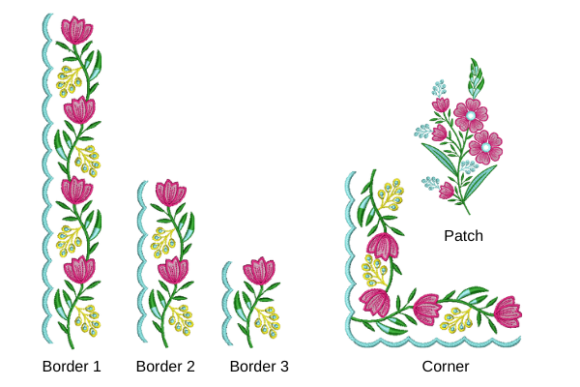
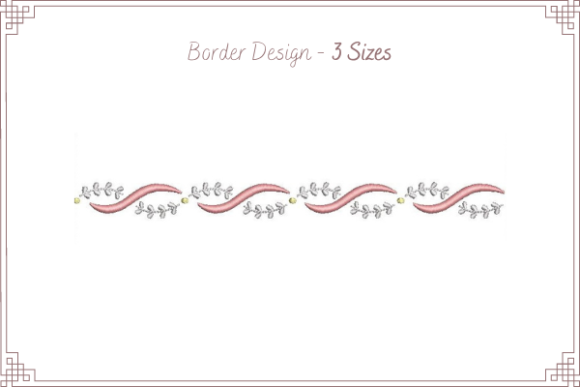
The moment I opened the machine embroidery design, I was struck by its soft and elegant layout. The border is composed of flowing floral elements that seem to dance along the edges, creating a sense of warmth and refinement. It has a distinct personality — delicate yet bold enough to make a statement. This isn’t a background filler; it’s a frame that invites attention and complements the main subject of any project.
What stood out most was the balance between detail and simplicity. Each flower is intricate enough to feel hand-crafted, but the overall composition remains clean and readable from a distance. That’s crucial for a border design because too much clutter can overwhelm the piece it's meant to enhance. The visual appeal is strong, especially if you're aiming for a boutique-style or handmade aesthetic.
Theme and Layout Considerations
This embroidery file leans into a romantic, bohemian theme — perfect for a range of women-oriented products like custom apparel, baby items, or holiday gifts. The layout is linear and directional, making it ideal for straight-edged projects such as pillow covers, tablecloths, and tote bags. Its length and width are generous enough to be noticeable without being overpowering.
If you're thinking about using it on curved surfaces like caps or hats, you may want to reconsider unless you plan to adapt the design significantly. But for flat surfaces — think sweatshirts, aprons, or even decorative patches — it feels natural and cohesive.
Real-Life Application: What Works Best?
I tested the Pillow and Bedsheet Border on a few different materials to see how it performed in various scenarios. Here’s what I found:
- Custom Apparel: On a cotton-blend sweatshirt, the border added a subtle touch of sophistication around the hem. Customers would likely appreciate the softness and femininity it brings, especially for personalized gifts or Etsy listings.
- Tote Bag Design: When placed around the bottom edge of a canvas tote bag, it gave the item a polished finish. The stitch clarity was good, though I noticed that thinner thread colors faded slightly after washing, which is something to note if you’re planning for commercial use.
- Baby Embroidery: As a decorative element on a onesie or nursing cover, the border felt just right. It wasn’t too loud for sensitive eyes, and the floral pattern had a gentle, welcoming vibe — perfect for nursery decor or holiday gifts.
- Home Decor Items: Naturally, it looked stunning on bedsheets and cushion covers. The design felt at home in a bedroom setting, framing the fabric in a way that elevated the whole room’s style.
In all these cases, the stitch density was moderate, which is great for avoiding puckering on medium-weight fabrics. However, when working with stretchy materials like knits or spandex blends, I recommend testing carefully. The running stitches in the stems and fill areas could distort if the fabric isn’t stabilized properly.
Where to Use It Carefully
While the embroidery design is beautiful, it does require thoughtful application. Here are a few areas where I’d advise caution:
- Small Hoop Sizes: If you're looking to scale this down for a tiny patch or cap trim, the details might get lost. You'll need to adjust the size and possibly simplify the inner elements to maintain clarity.
- Textured Fabrics: The design works best on smooth, stable materials. Textured or napped fabrics can interfere with the fine lines and cause uneven stitch coverage.
- Thin Fabric: Delicate linens or silks may struggle under the weight of dense fills. Lightening the stitch count or choosing a lighter thread palette can help preserve the fabric integrity.
- Dark Fabric Backgrounds: While the border looks lovely on light-colored backgrounds, on darker shades like navy or black, the contrast of certain thread colors becomes less effective. Always test on your chosen fabric before finalizing production.
- Detailed Corners: Because it’s a border, corners can be tricky. Some versions may require corner adjustments or seam allowances, so check whether the design includes those or if manual tweaking is necessary.
Design Impact on Product Value and Branding
One of the key things I consider when reviewing an embroidery file is how it affects the finished product. The Pillow and Bedsheet Border adds a level of professionalism and care that makes a handmade product stand out. Whether you're crafting for personal use or selling in your Etsy shop, this design signals quality and thoughtfulness.
From a branding perspective, the border is highly adaptable. If you're building a line of small shop products with a consistent theme, this could be a recurring feature across items like tea towels, aprons, and pillowcases. It helps with brand recognition while keeping each piece visually unique due to its detailed nature.
As a craft business owner, I know that customer trust is built on consistency and reliability. Using this design on multiple products reinforces a professional image, especially if you pair it with other complementary design assets. It’s a subtle but powerful way to elevate your handmade presentation.
Giftability and Customer Appeal
Personalized gifts benefit greatly from this kind of design. Think of a custom embroidered blanket with the border framing the name or date. It gives the gift a finished look that feels special and tailored. For holiday embroidery, the floral motif is timeless and can easily be paired with seasonal text or accents.
Clients tend to respond positively to designs that feel intentional and well-crafted. The Pillow and Bedsheet Border offers that visual polish, making it a solid choice for commercial embroidery projects where presentation matters.
Practical Designer Notes: Before You Stitch
Before using the embroidery file in your next project, here are a few tips based on real-world experience:
- Test on Scrap Fabric First: Especially important for beginners or when using new threads or stabilizers. This helps catch issues like distortion or color fading early.
- Check Thread Color Contrast: Make sure the thread colors pop against your chosen fabric. If you're unsure, try a black-and-white mockup to assess visibility.
- Review Stitch Density: Adjust as needed depending on the fabric type. Less dense stitching may work better for thin or stretchy materials.
- Confirm Hoop Size: Though no exact measurements are given, ensure your hoop can comfortably accommodate the full design. Scaling up or down should be done with precision.
- Inspect Small Details: Look closely at the inner petals and stems. These are often where problems arise if the machine isn’t set up correctly or if the fabric isn’t stabilized.
- Use Proper Stabilizer: Especially for lightweight or stretchy fabrics. A tear-away or cut-away stabilizer can make a big difference in maintaining shape and preventing puckering.
- Compare Light and Dark Backgrounds: Try placing the design on both white and navy fabric to see how it reacts. You may find it needs a color swap for one of them.
- Check Commercial Licensing: If you plan to sell the finished product or offer it as a digital embroidery file, confirm the licensing terms apply to your intended use. This is critical for Etsy sellers and small shop owners.
Mockups and Previews
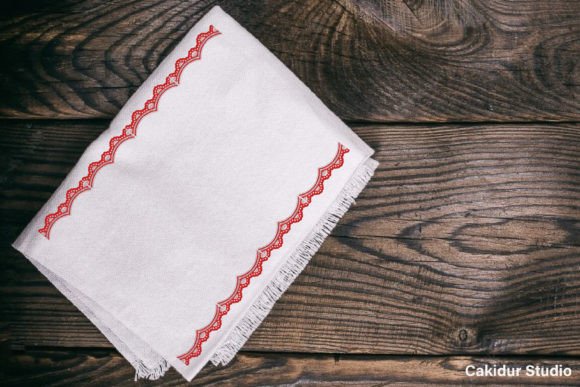
For digital product sellers or creative entrepreneurs, having a printable mockup is essential. I used the design in a couple of mockup templates for a pillow cover and a tea towel, and the result was convincing and attractive. Potential buyers can easily imagine how the design will look in their homes, which boosts buyer engagement and confidence in the product.
Final Thoughts: A Reliable Addition to Your Embroidery Kit
The Pillow and Bedsheet Border is a fantastic example of a machine embroidery design that bridges the gap between beauty and functionality. It brings a refined touch to home decor and fashion items alike, enhancing the product value without overshadowing the purpose of the item itself.
Whether you're an embroidery designer working on a boutique collection or a hobbyist experimenting with personalized gifts, this border has the potential to become a staple in your creative toolkit. Just remember to tailor its use according to fabric type, hoop size, and lighting conditions — and always test before mass production.
Overall, it’s a versatile and charming design that deserves a place in your next embroidery project. With the right preparation and care, it can transform simple textiles into standout pieces — whether they end up in a client’s home or on your Etsy page.